

ALCOHOL-FREE
FRAGRANCE-FREE
NON-TOXIC
VEGAN
CRUELTY-FREE
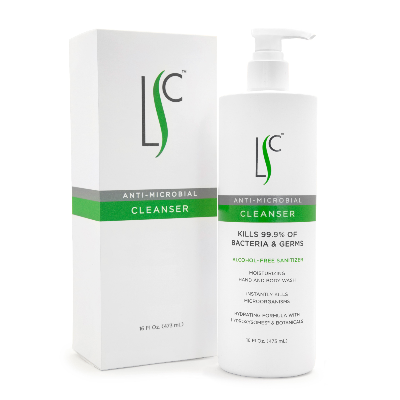
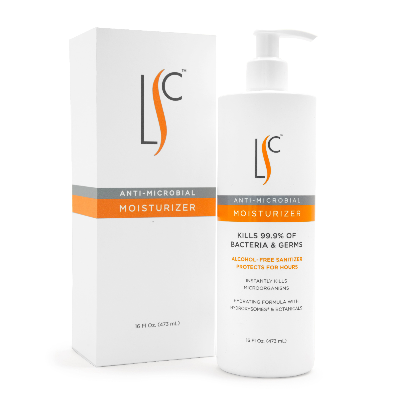
Protection Without Compromise
Mastering the balance between effective and gentle since 1995.

Gentle
Safe for all skin types and everyday use.

Nourishing
Patented technology to improve skin health.

Multi-Purpose
Protects and hydrates in one application.

Clinically Tested
Proven effective to kill 99.9% of microorganisms.

SCIENCE
Advanced Formulas for All
Thanks to our patented Hydroxysomes® technology, our alcohol-free formulas are designed with skin health in mind, providing effective and gentle protection that lasts for hours. Unlike typical antibacterial products, our innovative solutions nourish the skin while keeping it safe from germs.
SCIENCE

Advanced Formulas for All
Thanks to our patented Hydroxysomes® technology, our alcohol-free formulas are designed with skin health in mind, providing effective and gentle protection that lasts for hours. Unlike typical antibacterial products, our innovative solutions nourish the skin while keeping it safe from germs.
SAFETY
Gentle for Everyday Use
In our lab, safety comes first. Each ingredient is vetted to ensure it's certified hypoallergenic, non-toxic, and safe for those with sensitive skin conditions like eczema. Our clinical studies prove zero irritation with daily use, making our products a reliable choice for individuals and families.
SAFETY
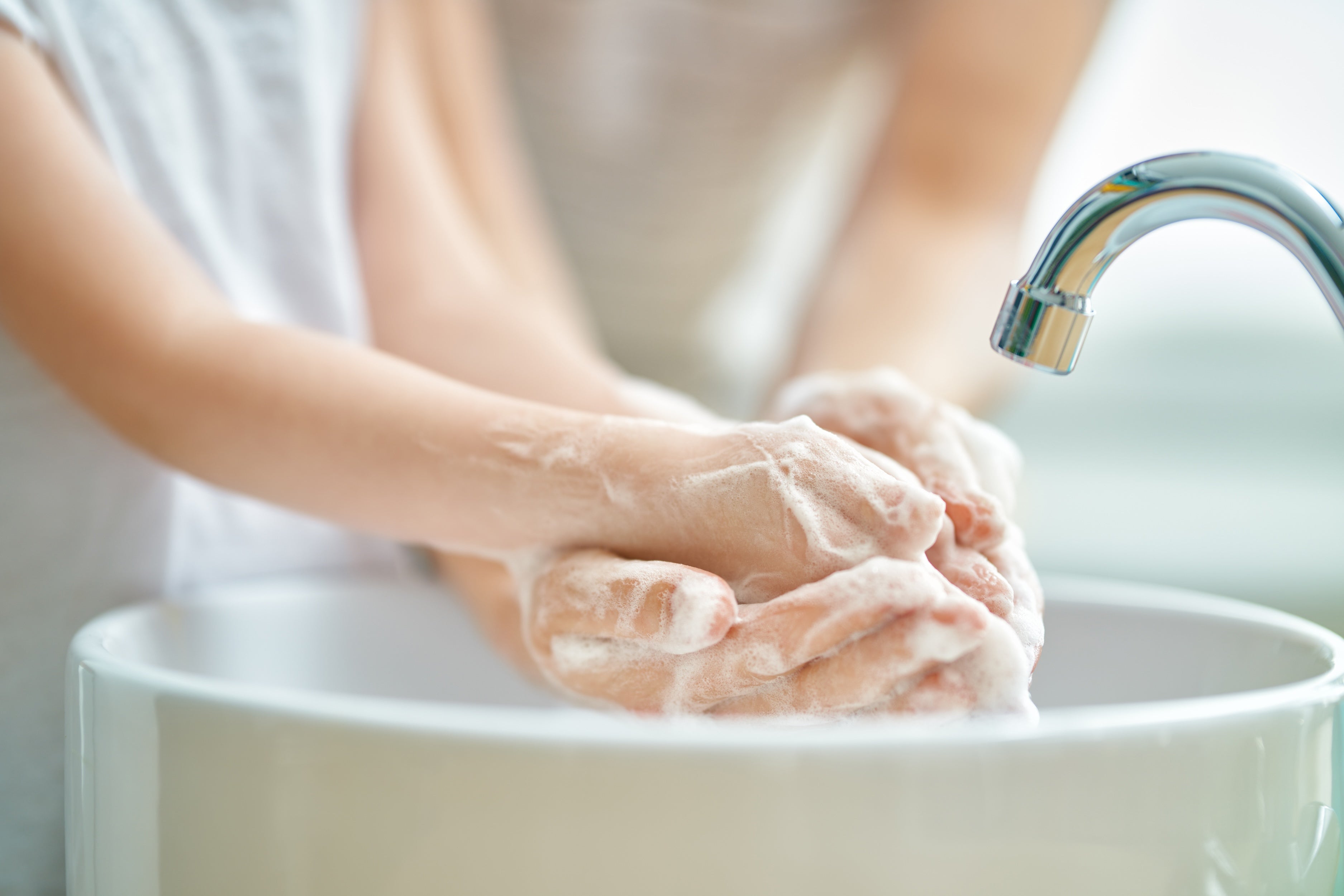
Gentle for Everyday Use
In our lab, safety comes first. Each ingredient is vetted to ensure it's certified hypoallergenic, non-toxic, and safe for those with sensitive skin conditions like eczema. Our clinical studies prove zero irritation with daily use, making our products a reliable choice for individuals and families.
EFFICACY
Backed by Science
Our formulas are not just scientifically tested—they are recognized by the FDA for their antimicrobial power. Designed to kill 99.9% of microorganisms, our solutions offer comprehensive protection beyond bacteria, clearing the skin of both positive and negative gram types, fungi and viruses.
EFFICACY
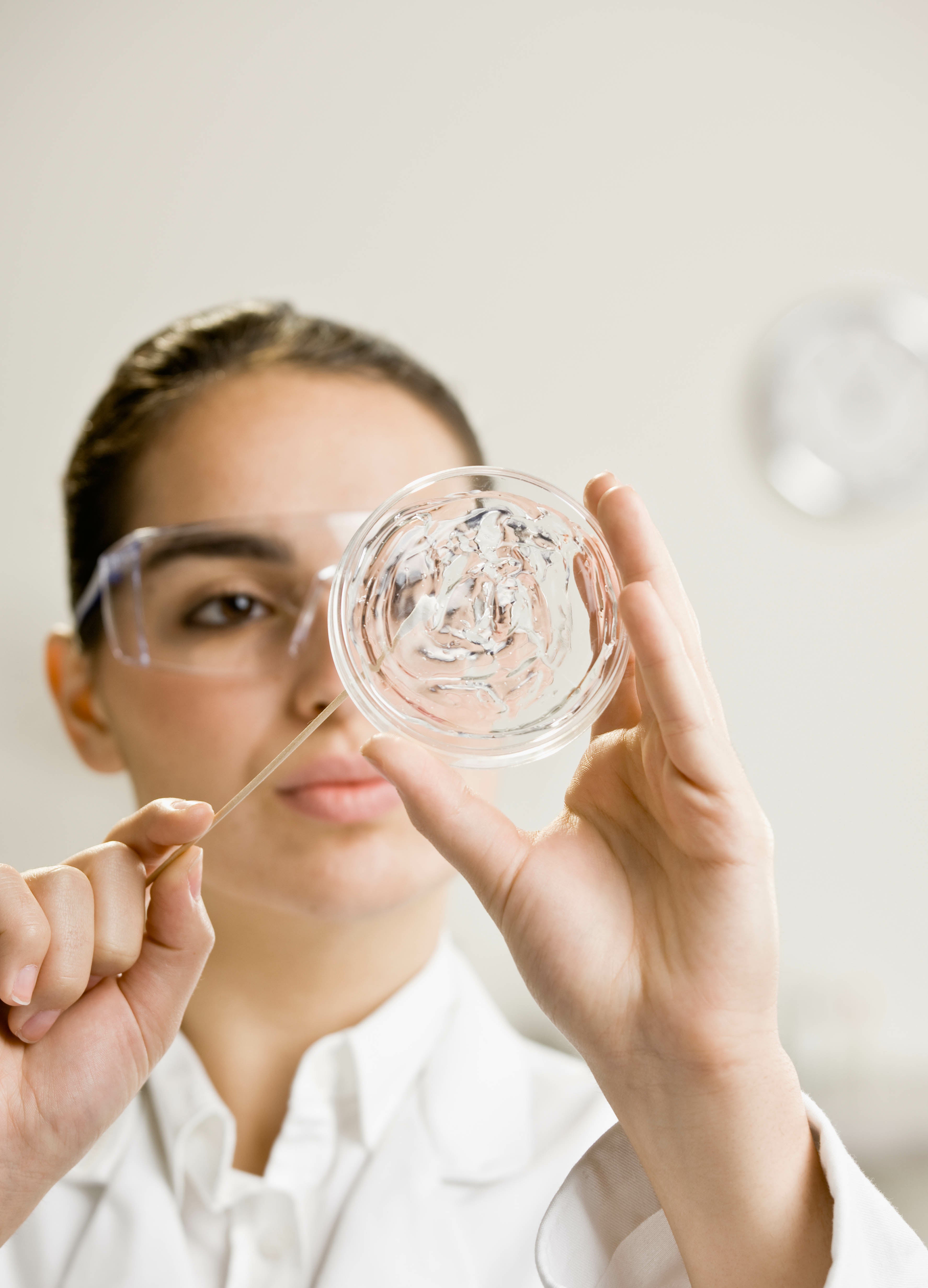
Backed by Science
Our formulas are not just scientifically tested—they are recognized by the FDA for their antimicrobial power. Designed to kill 99.9% of microorganisms, our solutions offer comprehensive protection beyond bacteria, clearing the skin of both positive and negative gram types, fungi and viruses.
IMPACT
Innovation with Purpose
We believe in giving back as much as we believe in innovation, extending our mission to create a positive impact in the world. From supporting frontline heroes to providing skin protection to underserved communities, we are committed to ensuring everyone has access to safe, healthy skin.
IMPACT

Innovation with Purpose
We believe in giving back as much as we believe in innovation, extending our mission to create a positive impact in the world. From supporting frontline heroes to providing skin protection to underserved communities, we are committed to ensuring everyone has access to safe, healthy skin.
What Our Customers Say
“Finally, a product that doesn't smell like alcohol and sting your hands. This stuff is amazing—creamy and luxurious—and my hands feel soft and smooth after using it.”
“As a nurse practitioner, you can imagine how many times a day I have to wash my hands. This product rocks. My dry, cracked hands are starting to see a new life.”
“This skincare has been a life saver for my daughter. Her skin is extremely sensitive and standard sanitizers burn and give her rashes. Her skin actually looks and feels better after she uses it.”
“I frequently use lotion after using a hand sanitizer because hand sanitizers dry out my skin. Having them together saves me time and keeps my countertop less cluttered.”
“When I started to get eczema on my hands, my doctor suggested I use hand sanitizer with very little alcohol. I was pleasantly surprised by these—they really moisturize my hands.”
